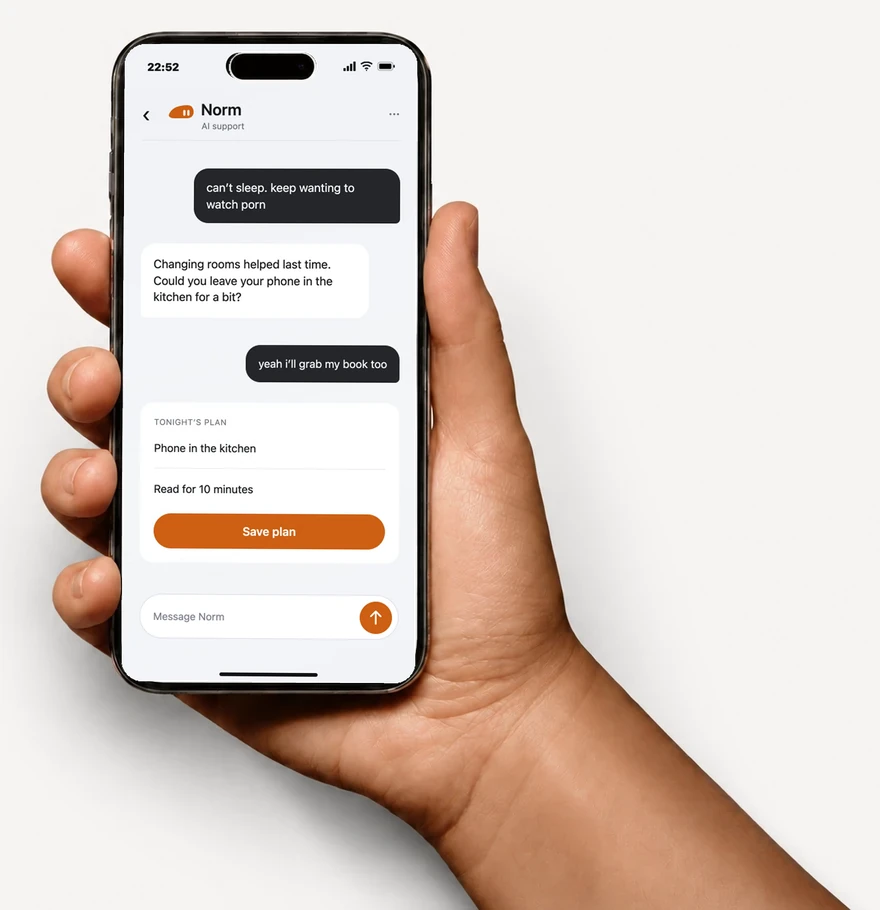
Meet Norm, your AI companion.
- Urge surfing and other CBT exercises, mid-urge
- A check-in at the end of the day
- Nothing to post, nobody to answer to


What porn addiction is, what causes it, and where to find pornography addiction help, including the routes we do not sell.
Twelve private questions if you want a score.
Porn addiction symptoms rarely show up all at once. These are the ones men most often notice first.
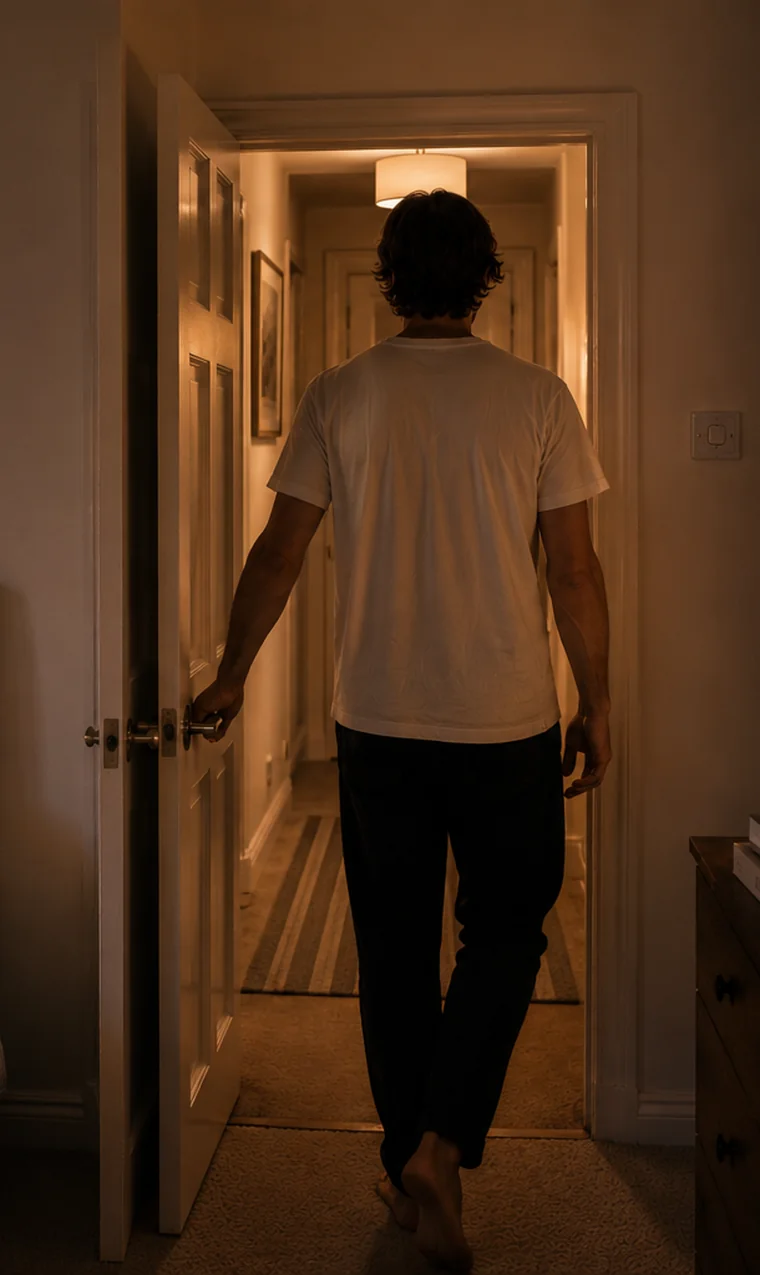
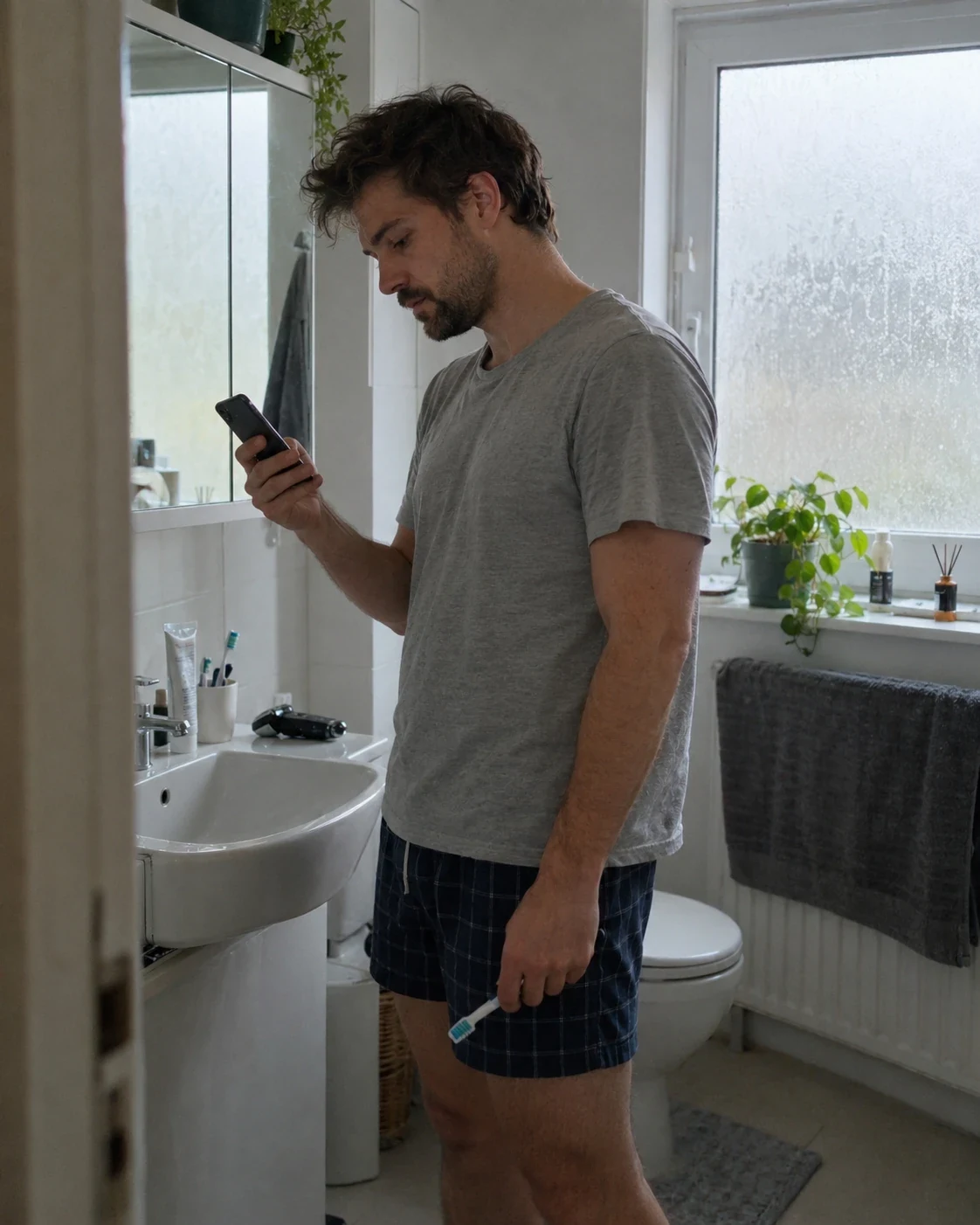
The first hour is gone before you are properly awake, and the rest of the day is spent catching up.
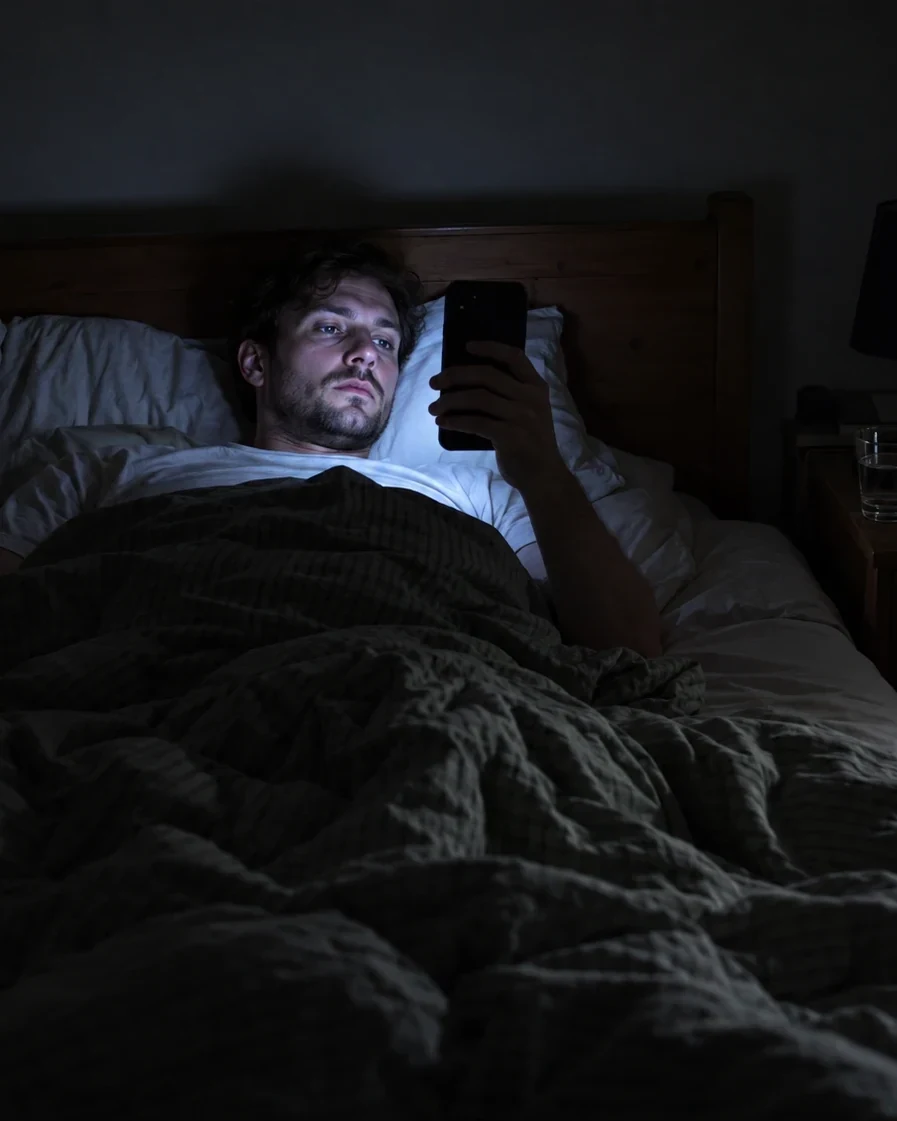
You tell yourself you'll be in bed soon. Before you know it, it's 2am.
You care about your partner. But being present, connected or intimate doesn't feel as natural as it once did.
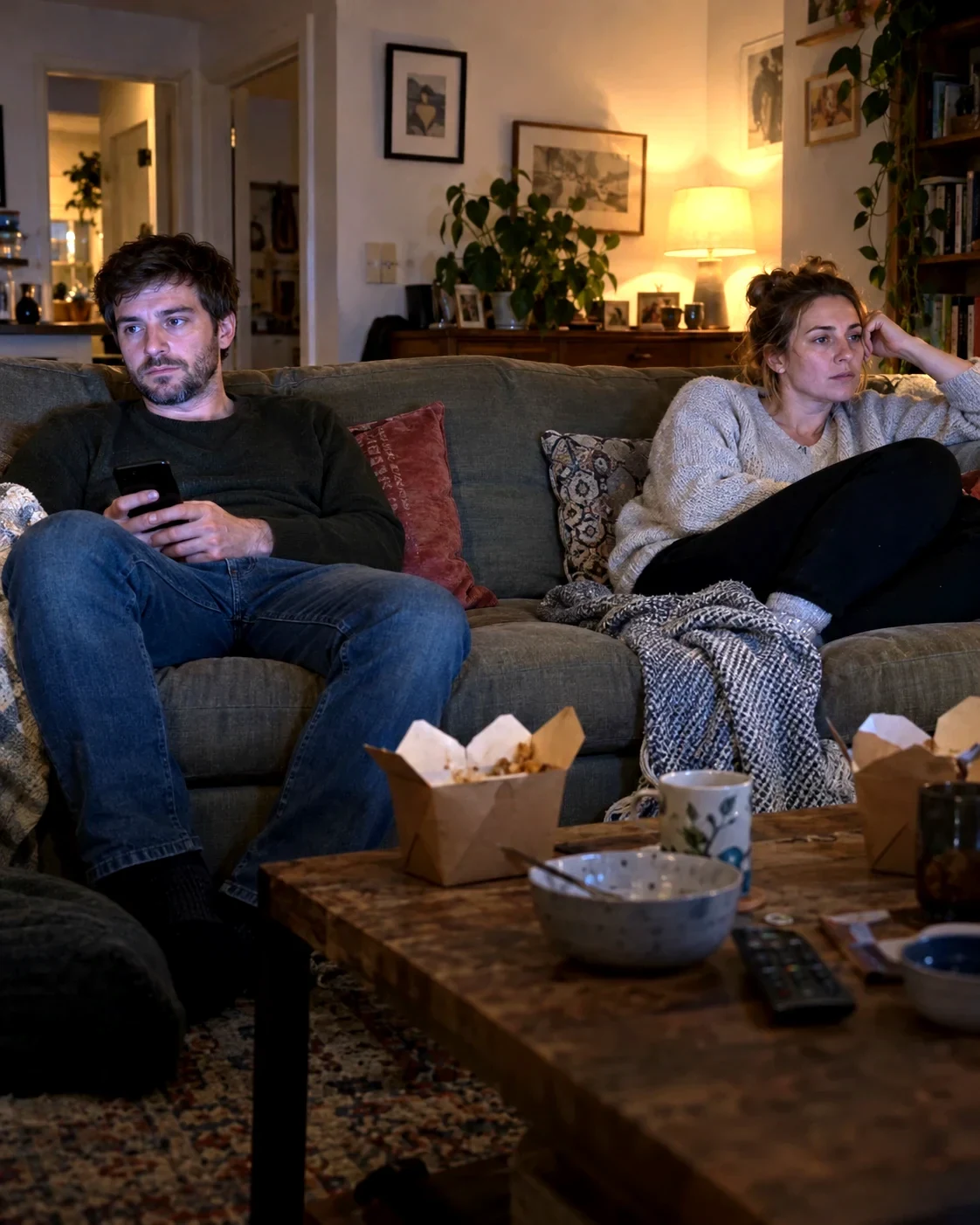
You sit down to work, study, or relax. Before long, your attention has drifted somewhere else.
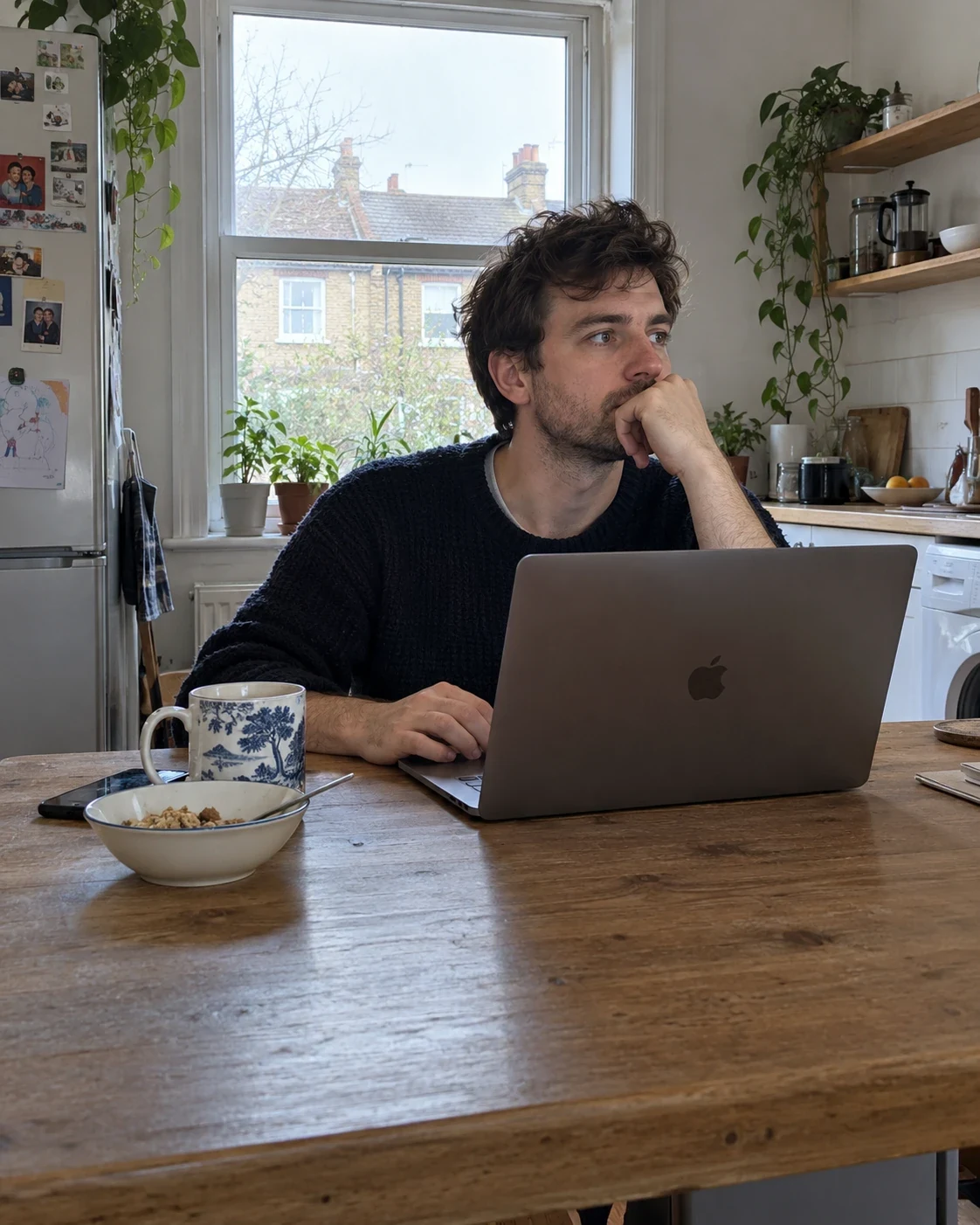
You mean to stop. But before you know it, you're doing it again, even when you don't want to.
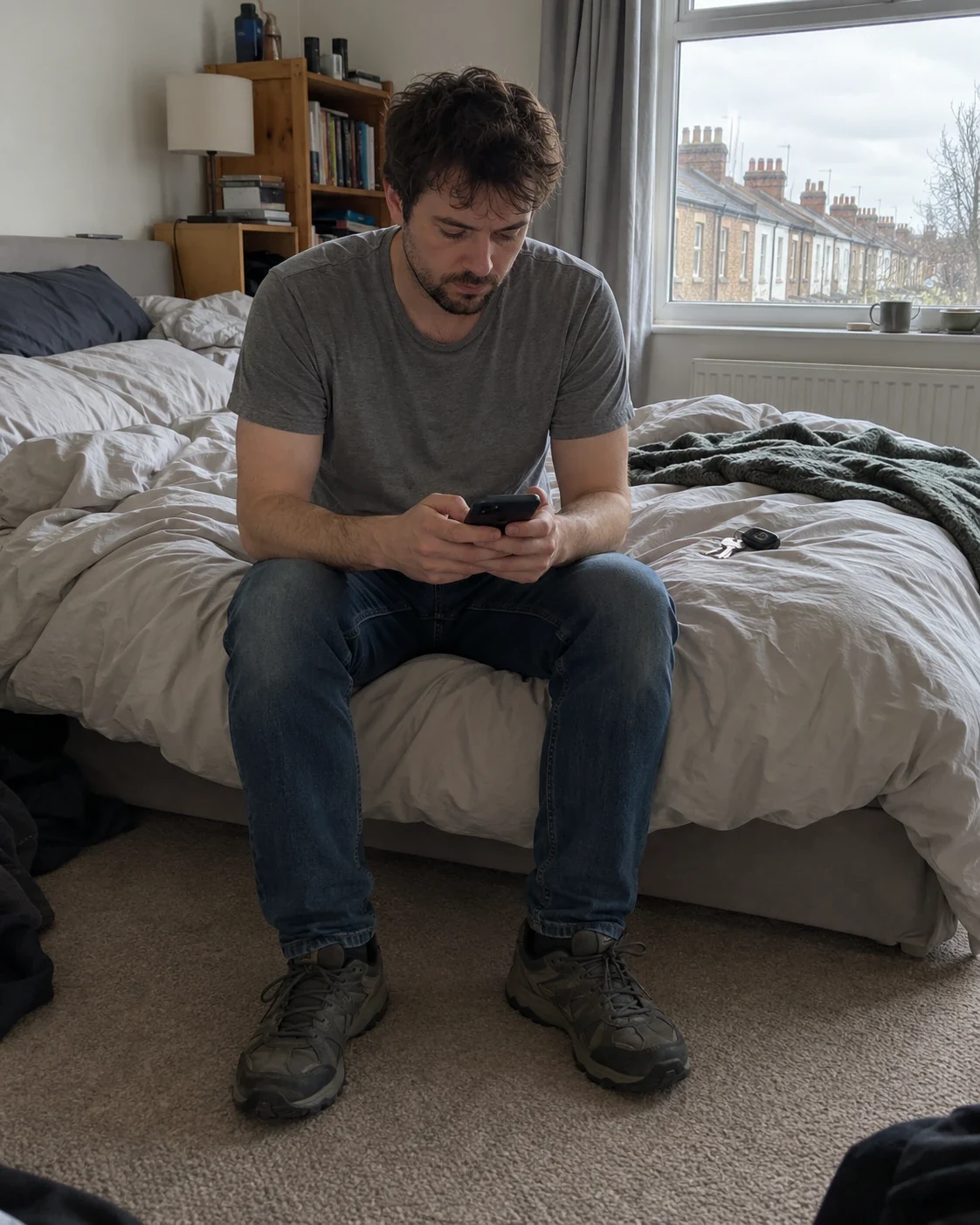
The things that matter still matter. They just take more out of you, and take longer to get done.
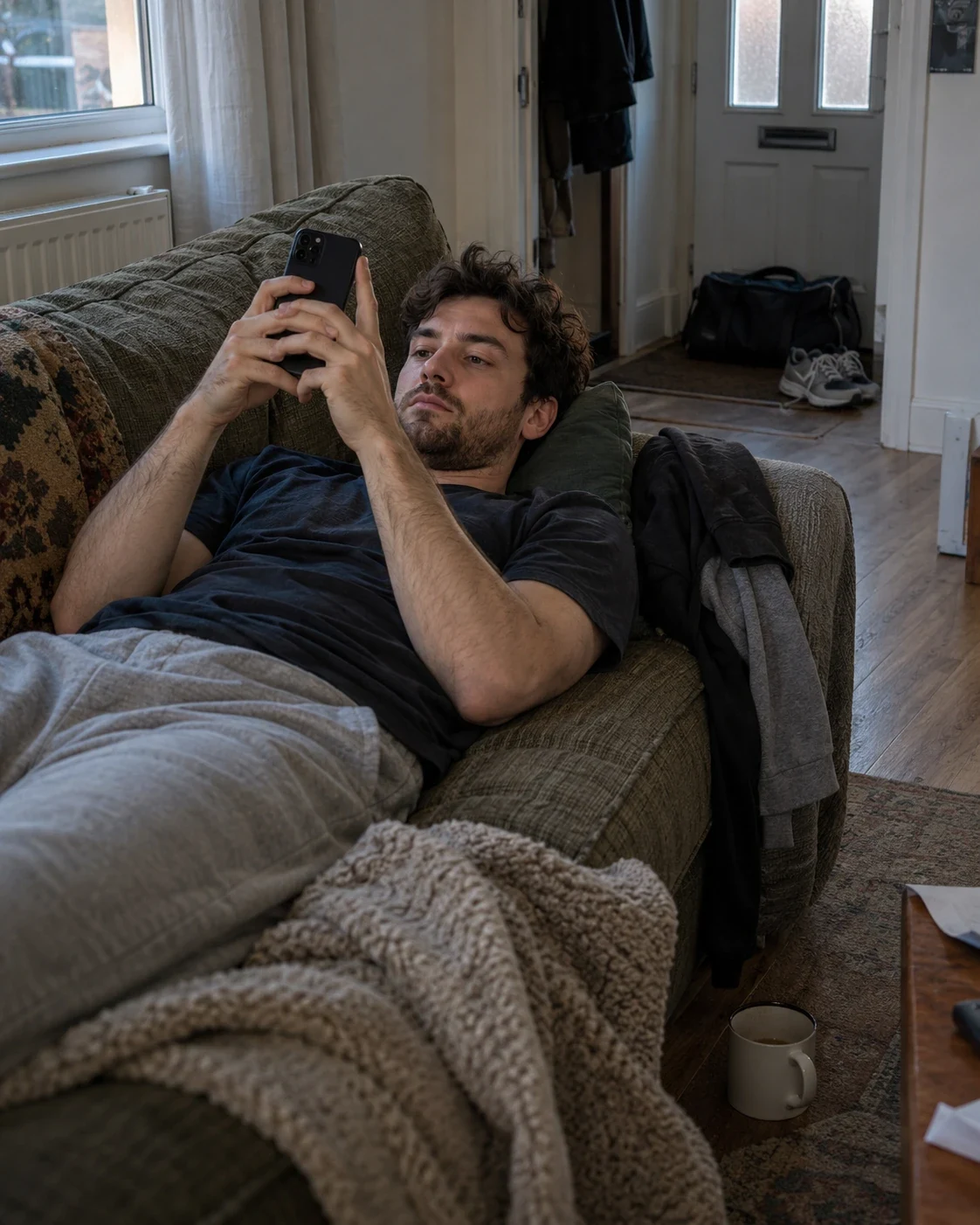
Stress, boredom or difficult emotions become the trigger. Before long, you're reaching for porn without even thinking about it.
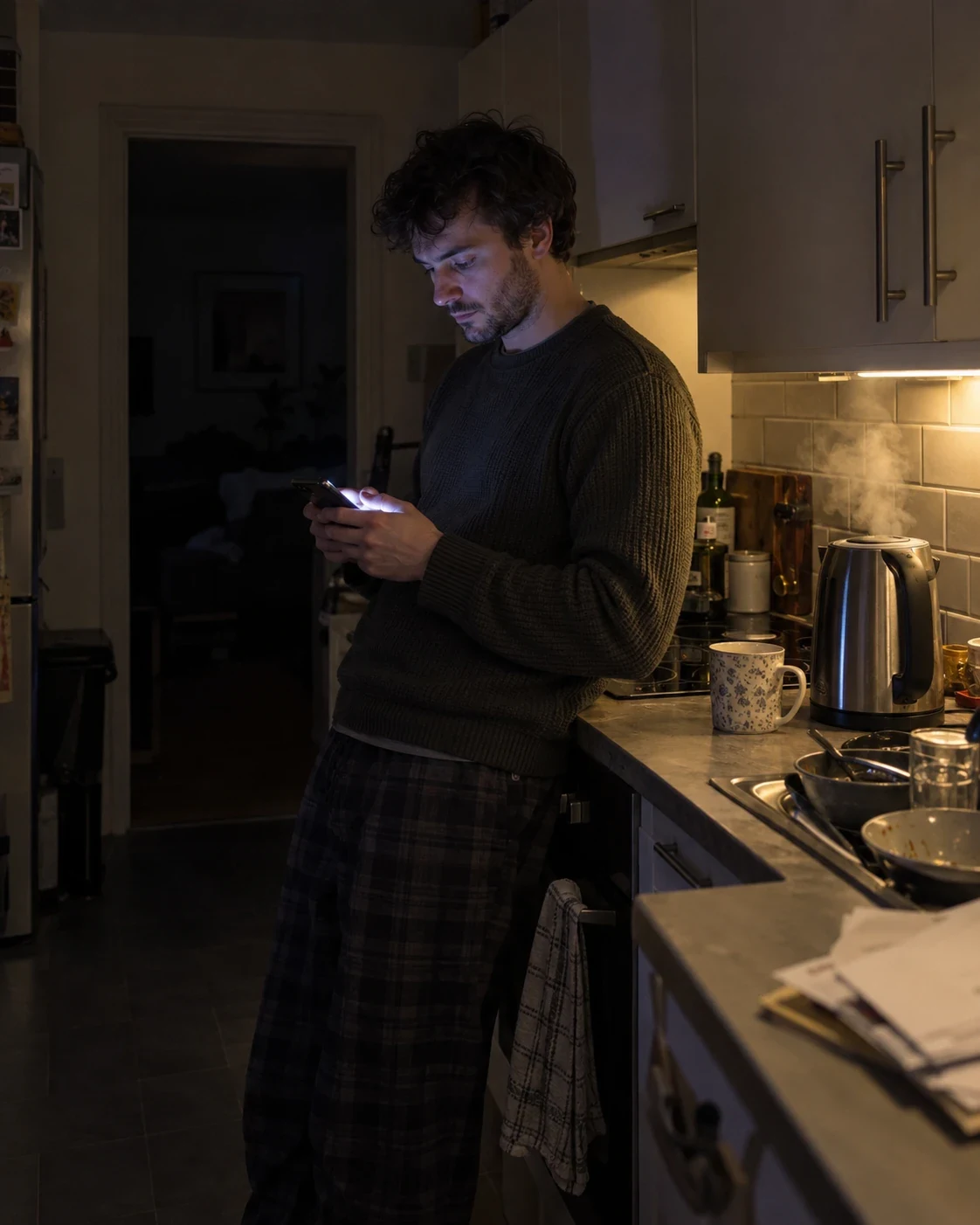
This is the porn addiction cycle, and each pass through it makes the next pass more likely.
Your options

Treatment here starts with a free assessment. If you go ahead, a UK-registered clinician decides what fits you, whether that is prescription treatment, behavioural support, both, or neither.
*Prescription treatment is not offered to everyone, and what people notice varies.
Our approach draws on published research



Normal works with registered healthcare professionals to provide appropriate treatment and pharmacy services.
Prescribing decisions are made by UK-registered clinicians. Treatment is not suitable for everyone. Where a medicine is prescribed, it may be used off-label at the clinician's discretion. Like all prescription treatment, it can cause side effects, and your clinician will talk you through them before anything is prescribed.
No streak to protect, nobody else in the room. Norm uses cognitive behavioural techniques to get you through the moment.
Urges tend to run to a timetable. Norm maps yours, then suggests one change for the hour that catches you.
Plenty of men do. The difference is what each one actually acts on.
Streak apps and blockers
Most advice on how to stop watching porn skips this. Track when it happens and what sits just before it. Boredom, stress and late nights alone all look different.
Blockers, a locked device, no phone in the bedroom. Useful, but they rarely hold on their own.
CBT and similar talking approaches are designed to work on the thinking underneath. What therapy actually involves.
A UK-registered clinician can assess whether prescription treatment is appropriate alongside behavioural support, or tell you it is not.
From £189 every 4 weeks, and nothing before that.
Twelve questions and a private score, whatever you decide to do next.
If treatment isn't appropriate for you, they'll say so, and you pay nothing.
No lock-in and no contracts. You only continue while it's working for you.
Everything a clinician prescribes is dispensed by a pharmacy registered with the GPhC.
Pornography addiction has no formal diagnosis of its own. Compulsive sexual behaviour disorder, or CSBD, is the clinical name for the pattern, included in the ICD-11 as code 6C72, which came into effect in 2022. It describes repeated failure to control intense sexual urges over six months or more, where it causes real distress or gets in the way of your life. Compulsive porn use is the most common way it shows up. The WHO placed it with the impulse control disorders rather than with the addictions.
COSRT lists UK therapists who specialise in sex and relationships, and BACP and UKCP list counsellors more broadly. You can search all three yourself and approach someone directly. There are also free peer groups meeting in person and online across the UK, including the 12-step fellowships SA and SAA. That framing suits some people and not others.
Rarely one thing. Usually easy access, plus using porn to take the edge off stress, boredom or low mood, repeated until the reaching stops feeling like a decision. Poor sleep, anxiety and a rough patch all make it easier to fall into. What it is not is a character flaw.
Because by the time an urge arrives, the decision often feels already made. The same cues turn up each time, relief arrives briefly and gets learned, and the regret afterwards is itself one of the reliable triggers. That loop is why trying harder inside it tends not to hold.
Dopamine gets named a lot in this argument, usually with more certainty than the research carries. Researchers who study this look at the brain's reward and motivation systems rather than at character. How close the parallel with substance use runs is genuinely disputed, and claims that porn rewires your brain go further than the evidence does.
When you have decided to stop and find you cannot, repeatedly, and it carries on despite what it is costing you. The ICD-11 describes a pattern lasting six months or more, together with real distress or disruption, as its threshold.
There is no dedicated NHS pathway for compulsive porn use. A GP can help with what sits alongside it and refer you on, and in England you can self-refer to NHS talking therapies without a GP. That service is commissioned for anxiety and depression, so it can help with what sits alongside this rather than with the pattern itself. Routes differ in Scotland, Wales and Northern Ireland, and some areas have their own self-referral service. Provision varies a lot by area and waits can be long. It is free, and sometimes enough.
Yes, and most people find the conversation less awful than expected. A GP can look at low mood, anxiety or sleep alongside it, rule out other causes, and refer you on. It goes in your record, worth knowing before you go rather than after.
For some people, yes. Abstinence helps a lot of men, at least for a stretch, and if it has worked for you then it worked. What we hear most often is that it holds for a while and then does not. That is information, not a verdict on you.
They buy you seconds, and sometimes seconds are enough. Used on their own they tend not to hold, because they act on access rather than on what drives the reaching. Most people who arrive here already have one installed.
Some people do. Many have tried blockers, streaks and accountability apps and found the change did not hold. That is not a personal failure. It is what tends to happen when the thing being acted on is access, rather than the pattern underneath it.
For most people who watch it, there is no good evidence that it is. The research does not support the idea that porn is harmful in itself. What the evidence does describe is a smaller group who lose control of how often they watch, and for whom it starts costing sleep, focus or a relationship. That is a different question from whether porn is bad.
A pattern of porn use that is difficult to control and carries on despite what it is costing you. It has no formal diagnosis of its own. The closest clinical description is compulsive sexual behaviour disorder, in the ICD-11, which covers repeated failure to control intense sexual urges over six months or more where it causes real distress.
Availability does a lot of the work: it is always there, always new, and costs nothing to open. Beyond that, using it to take the edge off stress or boredom is the part that gets learned, until the reaching stops feeling like a decision. Researchers disagree about how closely this parallels substance addiction.
There is no single method. What tends to help is working out what the urge is actually for, putting friction between you and it, getting behavioural support such as CBT, and asking a clinician whether treatment is appropriate. Blockers and streak counters rarely hold on their own, because they act on access rather than on the pattern underneath.
Nobody can tell you reliably. Estimates swing widely depending on which questionnaire is used and how the threshold is set, and there is no good UK figure at all. Anyone quoting you a confident percentage is rounding up someone else's estimate. What is clear is that it is common enough that you are not unusual for asking.
Where the evidence is thin or researchers disagree, we say so on the page rather than rounding it up. Normal is not affiliated with, endorsed by or partnered with any institution cited here.
Twelve questions, a private result, nothing to say out loud.
Take the free 2-minute test
Porn addiction, explained plainly.
Take the free 2-minute test